Service 06 of 06 · Tempe, AZ
Contents Cleaning and Pack Out in Tempe, AZ
You have furniture, clothes, papers or photos that got wet. Call day or night or send the form, and someone from our team will call you back soon. Wet items move out early, before they sit in a wet room.
Line open now
Get a call back
Tempe · Mesa · Chandler · Gilbert · Ahwatukee · Guadalupe + 13 more towns
01What you get
Your belongings out of the wet room, cleaned and listed
Furniture, clothes, files and photos pulled out of the wet room, cleaned and stored, with a written inventory so nothing disappears.
- Furniture, clothes, documents and photos packed out early.
- Items cleaned, dried or set aside by what the water touched.
- Photos and an inventory you keep for the insurance claim.
- Storage until the rooms are dry and repaired.
02The signs
5 signs your belongings need a pack out
Any one of these is reason enough to call.
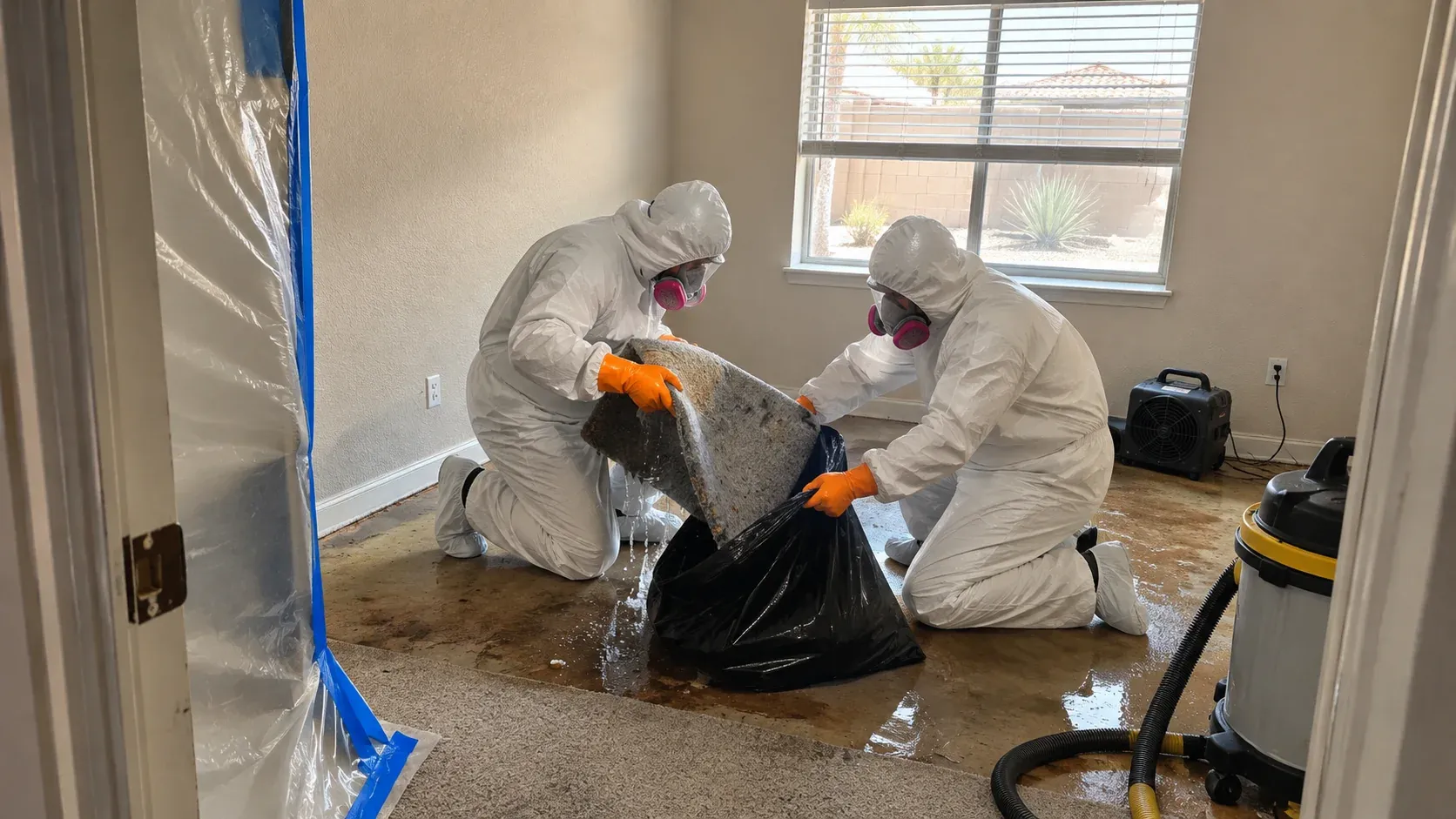
- 01Furniture is standing in water. Wet legs stain carpet and trap moisture underneath.
- 02Boxes in a garage or closet got wet. Stored contents are the part people forget to document.
- 03Papers or photos are damp. They need care right away to have a chance.
- 04The room needs drying equipment for days. Your things are safer out of that room.
- 05You are filing an insurance claim. An item list with photos is part of the paperwork.
03How it works
What happens after you call
Your call starts a fixed sequence.
- 1Call or send the form, day or night.Say where the water is, whether it is still running and how long it has been there.
- 2Someone from our team calls you back.We go over what is wet and what has to happen first.
- 3Pack out, cleaning and an inventory.Wet items leave the room early, get cleaned or set aside, and every item goes on a list you keep.
04Costs
What it costs
Contents work is priced per item or per room rather than per square foot, so published national averages are thin. There are 2 things worth knowing: the pack out is usually a separate line from the structural work, and the storage is usually monthly.
An itemized list covers pack out labor, cleaning per category, storage per month, and delivery back. If a claim is going to an insurer, an itemized list is easier to work with than a lump sum.
For scale, Fixr puts a full water damage restoration job at $1,200 to $5,000, with a national average of $3,000, and lists personal item replacement at $500 to $1,500 (2025).
05Good to know
Contents are often worth more than the drywall
Water damage estimates focus on structure: drywall, flooring, cabinets. The contents are where the irreplaceable losses happen. A passport, a birth certificate, a box of photographs, a laptop, a leather sofa, a wedding dress in the closet of the room that flooded.
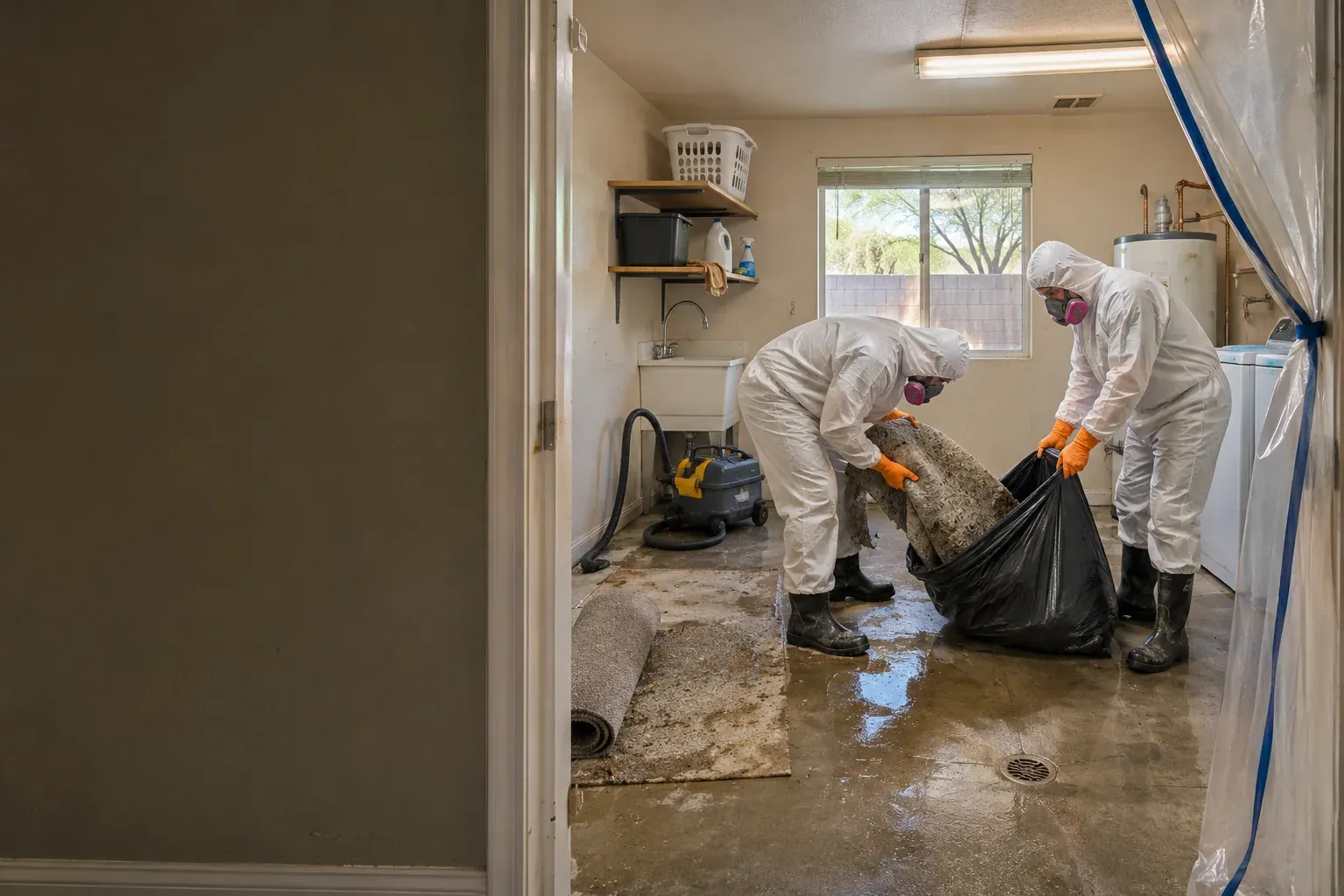
Contents restoration is the part of the job that takes those items out of the wet room before they absorb more moisture, cleans and dries what can be saved, documents what cannot, and stores the rest until the structure is ready for it back.
The inventory is the key document in this process: every item listed, photographed, and signed for when it leaves and when it comes back.
064 steps
Do this in the first hour
Right away, if it is safe.
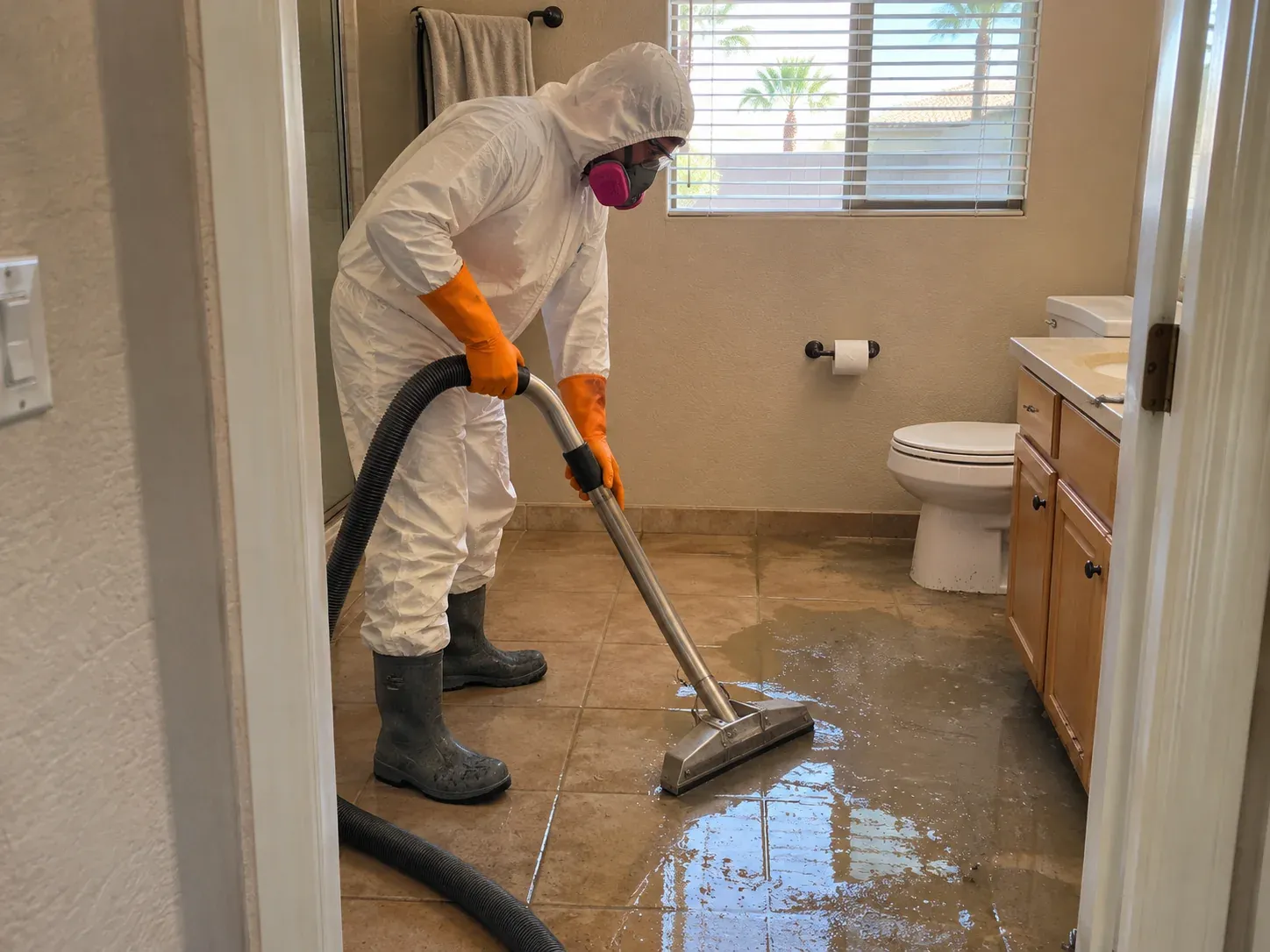
Documents and photos
Out of the room first, into a dry bag, even if they are already wet.
Electronics off and unplugged, if you are dry
Do not touch anything electrical while standing in water, and do not power on anything that was wet.
Do not stack wet items
Wet books or clothes in a pile can start to grow mold within 24 to 48 hours. Spread them out or leave them for the pack out.
Photograph the room
Before anything is moved, including what was on the floor.
07Good to know
What can usually be saved
Furniture
Solid wood often comes back with controlled drying. Upholstery can often be cleaned and dried if the water was clean and the frame did not swell. Particleboard, MDF and most flat-pack furniture swell and do not come back: the material fails, not the finish.
Clothing and textiles
Machine washable clothing is usually recoverable. Dry-clean-only items, leather, suede and anything with a lining need specialty cleaning. Wet textiles folded in a pile are an easy place for mold to start, so they come out first.
Documents and photographs
Paper is often recoverable if it is frozen or dried quickly. Wet paper left in a stack can fuse into a block. Documents can be freeze dried in a vacuum chamber, which pulls the water out as vapor and keeps the pages from sticking together. Photos are separated, rinsed and air dried, and negatives and prints are handled differently.
Electronics and appliances
Anything that was submerged is usually a loss. Anything that got splashed or sat in a humid room needs to be assessed before it is turned on. Contents restoration covers the assessment and cleaning; electronics repair is a separate service.
08How it works
How the pack out works
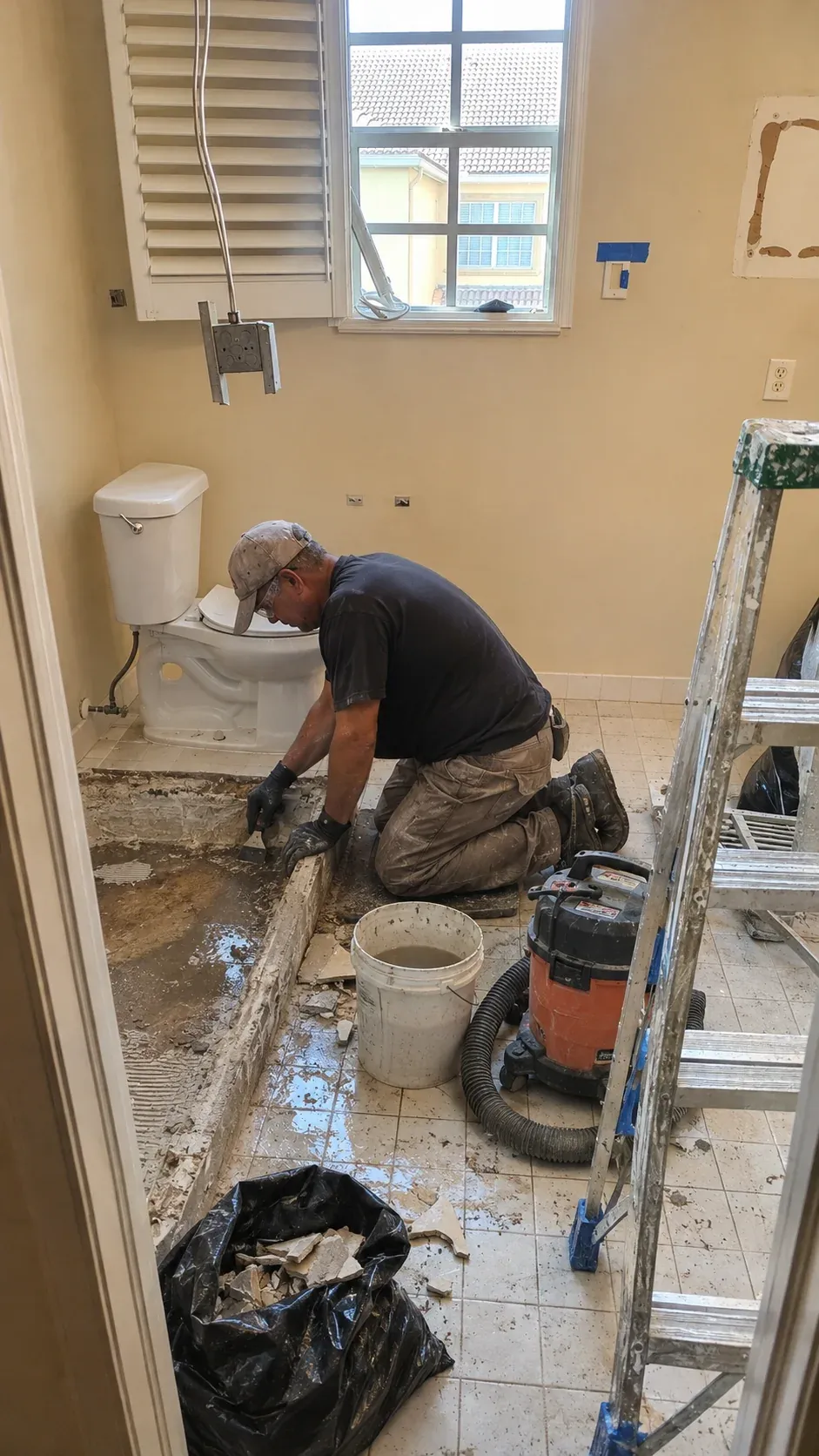
In a documented pack out, every item is listed by room, photographed, numbered and boxed. The homeowner signs the inventory before it leaves the house. Items go to a cleaning facility or climate-controlled storage, and the same inventory comes back with the delivery.
The questions that matter before anything leaves are where the items will be stored, what happens if an item is damaged in storage, and whether the homeowner gets a copy of the inventory.
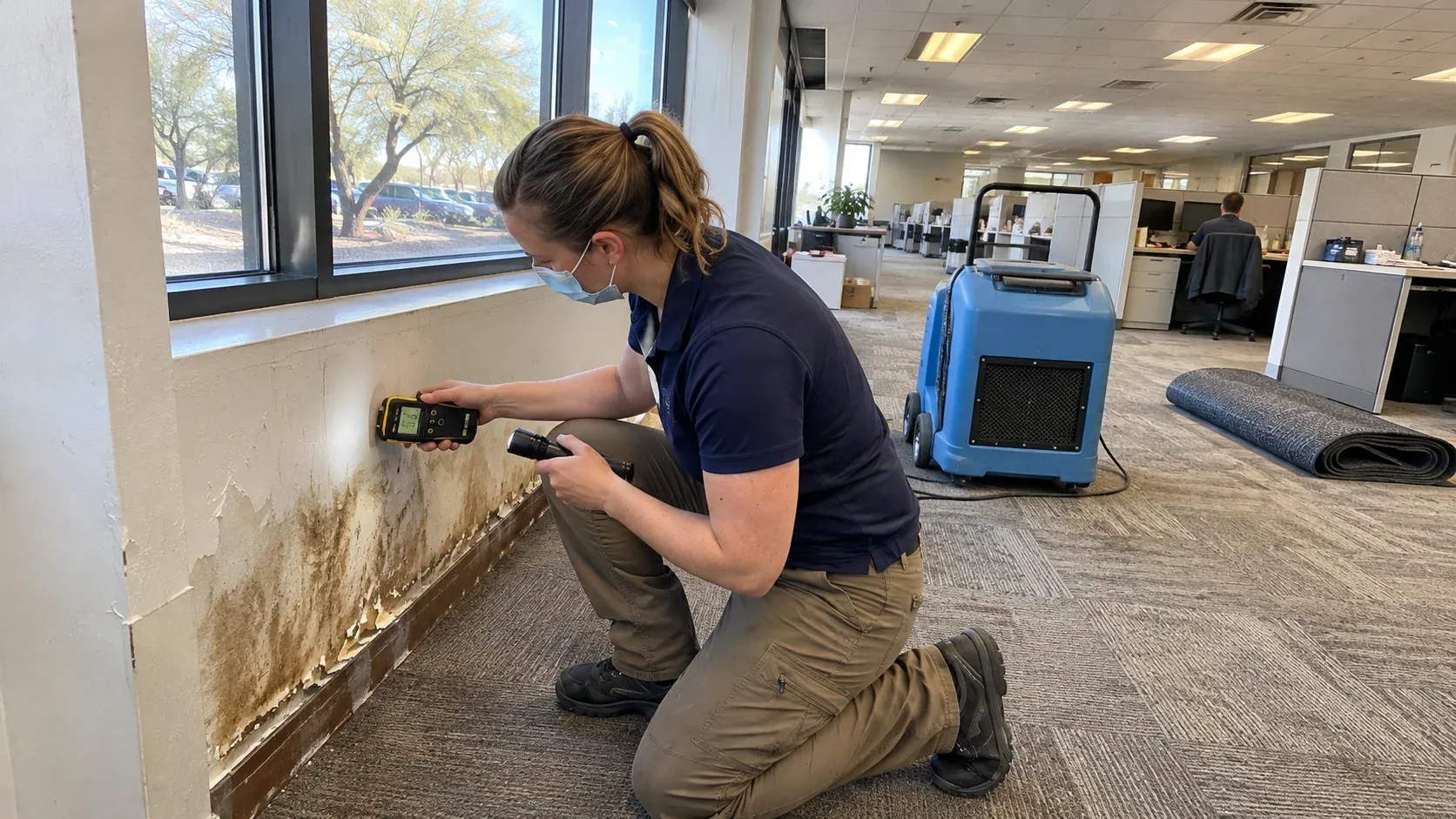
Not everything should leave. Large furniture that can be dried in place usually stays. Items that will be thrown away are best listed as unsalvageable and left for the homeowner to see before disposal.
09Good to know
Contents work around Tempe
- 01
Apartments and condos
Less to pack out, more to coordinate: a shared wall, a downstairs neighbor, and a property manager who wants access. A signed inventory helps when someone else's insurance is involved.
- 02
Empty snowbird units
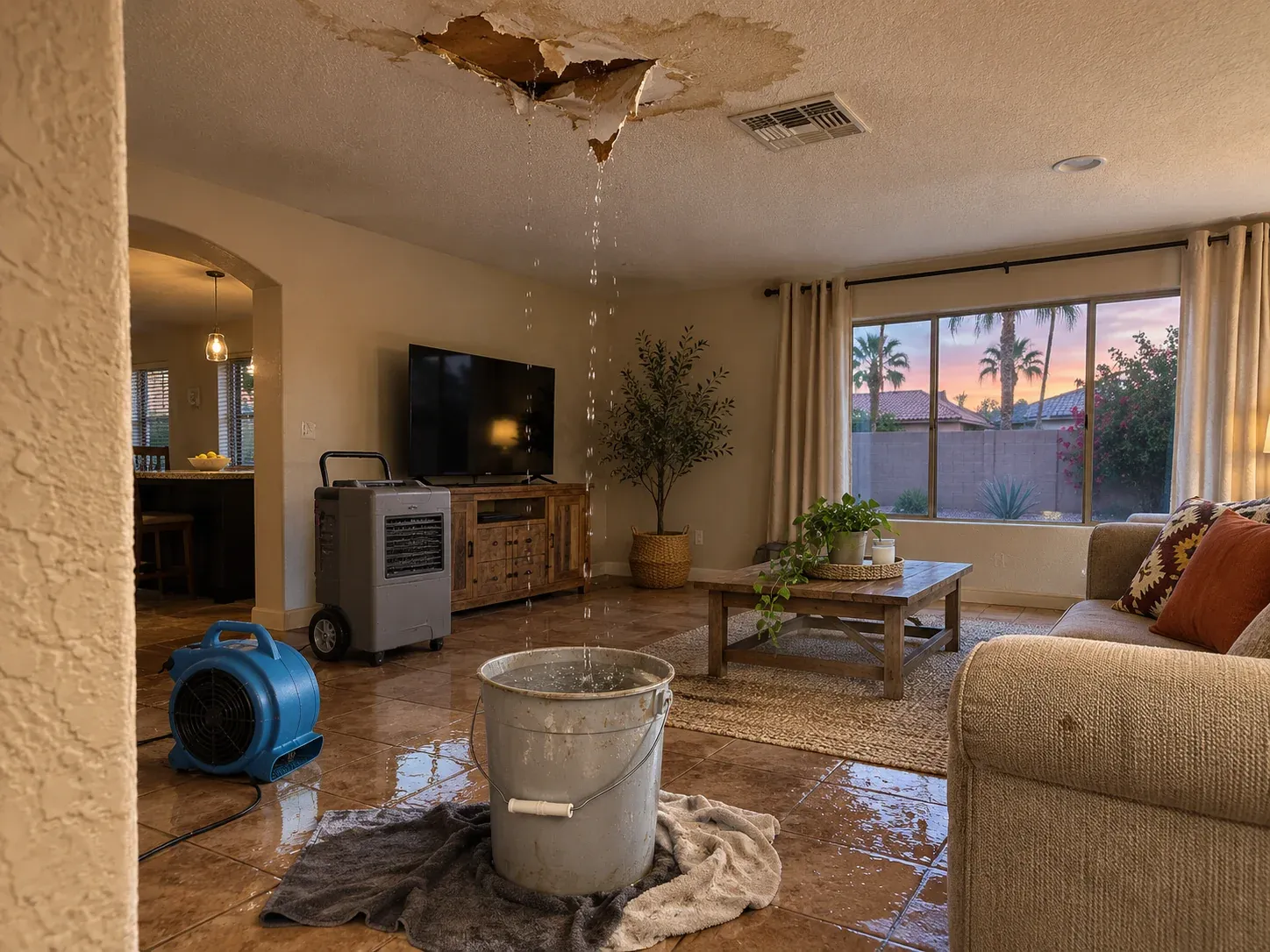
A leak that ran for weeks means everything in the room has been in a humid box. Textiles and paper are often the first to be lost, and the pack out can be bigger than the visible water line suggests.
- 03
Home offices
Files, printers, monitors, hard drives. Document drying and data recovery are two different services, and only one of them is on a restoration invoice.
- 04
Family homes
Photos, kids' schoolwork, holiday boxes stored on the garage floor. The garage is a common entry point for monsoon water and often where the boxes sit lowest.
104 questions
Questions people ask about contents restoration in Tempe
Still have a question?
Send the form and describe what you see. Someone from our team will call you back soon.
Get a call back01Are wet photos and documents worth saving?
Often yes, if they are dealt with in the first day or two. Freeze drying can recover paper that would otherwise fuse into a block, and waiting a week in a hot garage rarely helps.
02Can I pack out my own things?
You can, and for small jobs it is reasonable. What you lose is the documented inventory, which is exactly what an insurer asks for when items are damaged or missing.
03Who pays for storage?
If the loss is covered, storage is usually part of the claim for the period the house is unlivable. The monthly rate is worth confirming with the adjuster in writing.
04What happens to things that cannot be saved?
They should be listed, photographed and shown to you before disposal. Anything removed without a record can become a dispute.