Tempe guide · 4 min read
Does Homeowners Insurance Cover Water Damage?
Your policy decides what is covered. This page walks you through how a claim works, and what to have in hand when the adjuster calls.
01Good to know
Start with the only answer that counts
Your policy, and the insurance department of the state that regulates it. Those two sources decide coverage. Water damage coverage turns on details that look small from the outside: the cause, how long it went on, whether it was sudden or gradual, and whether maintenance was neglected.
The Arizona Department of Insurance and Financial Institutions publishes consumer guides on homeowners claims, and the number on the back of your policy is the fastest way to a real answer. Use both.
What this page covers instead is the mechanics: what happens after you call, what the adjuster needs, and where claims usually go sideways.
02Insurance
The claim, step by step
1. Report it and get a claim number
Call the claims line, not your agent's office, for anything happening now. You want a claim number and the name and phone number of the assigned adjuster before you hang up. Write down the date and time of the call.
2. Stop the damage, and keep the receipts
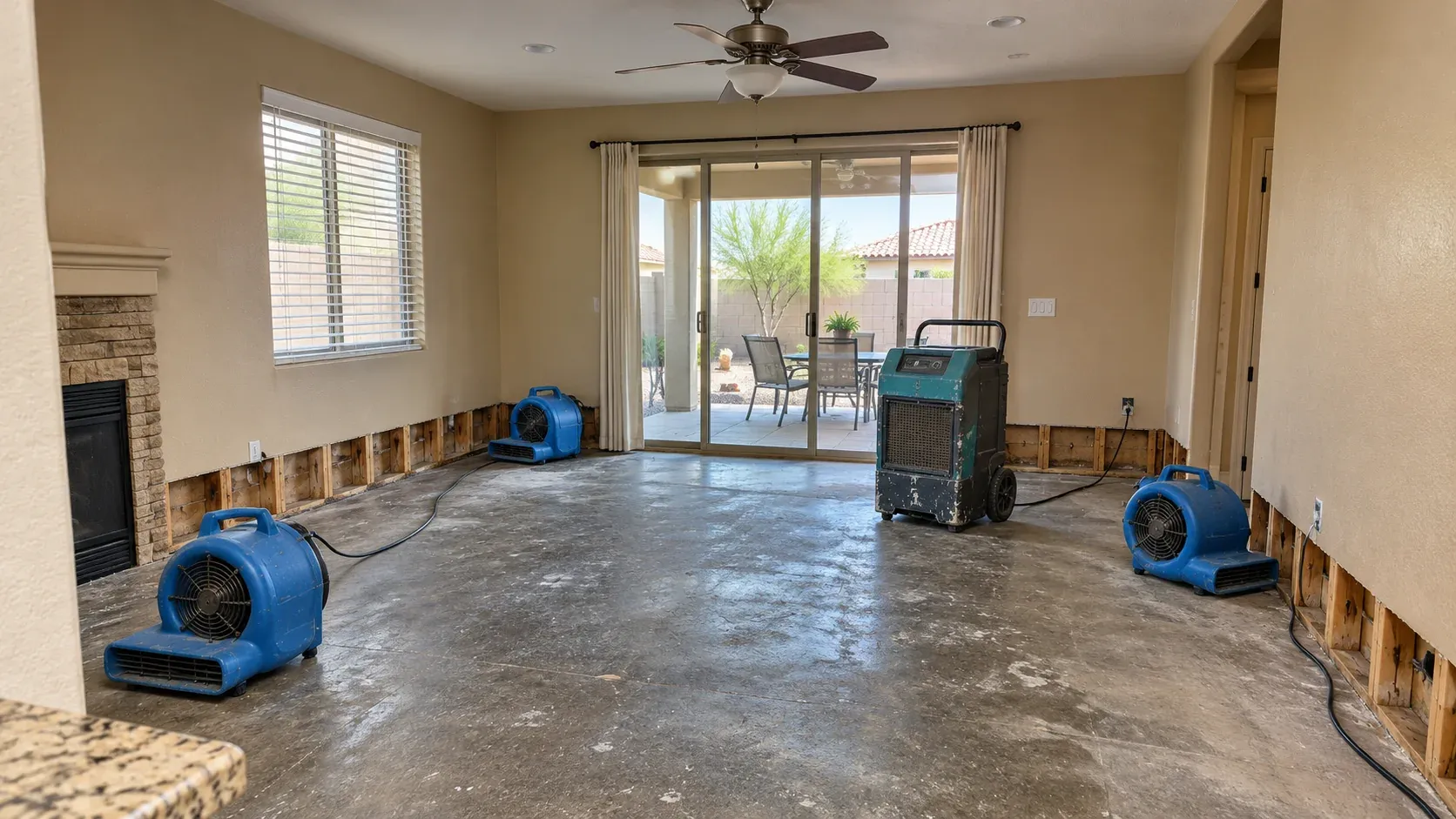
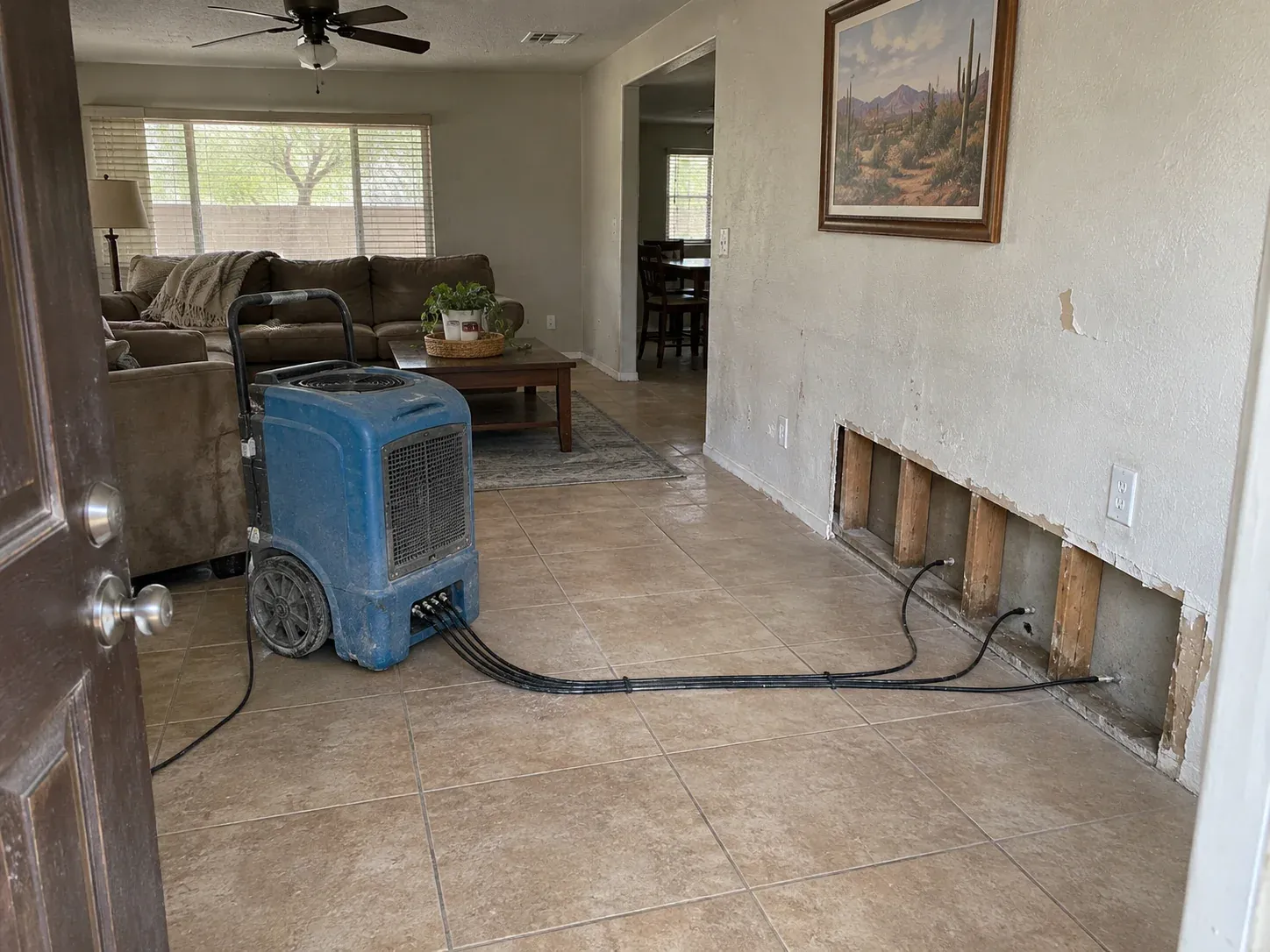
Most policies expect you to take reasonable steps to prevent further damage, and that includes emergency extraction. Keep every receipt, including the hardware store run for towels and a wet vac. Photograph the receipts.
3. Document before you clean
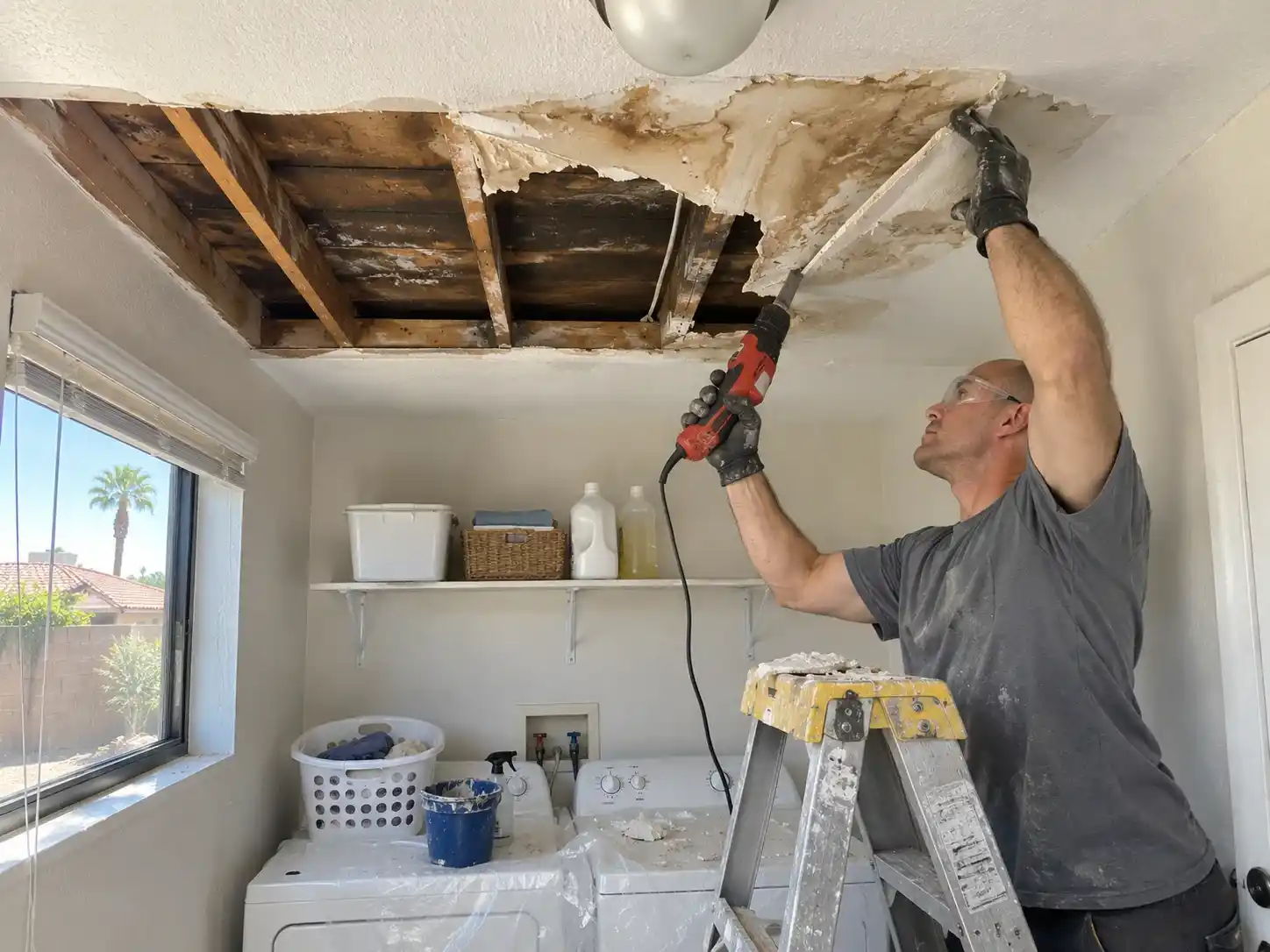
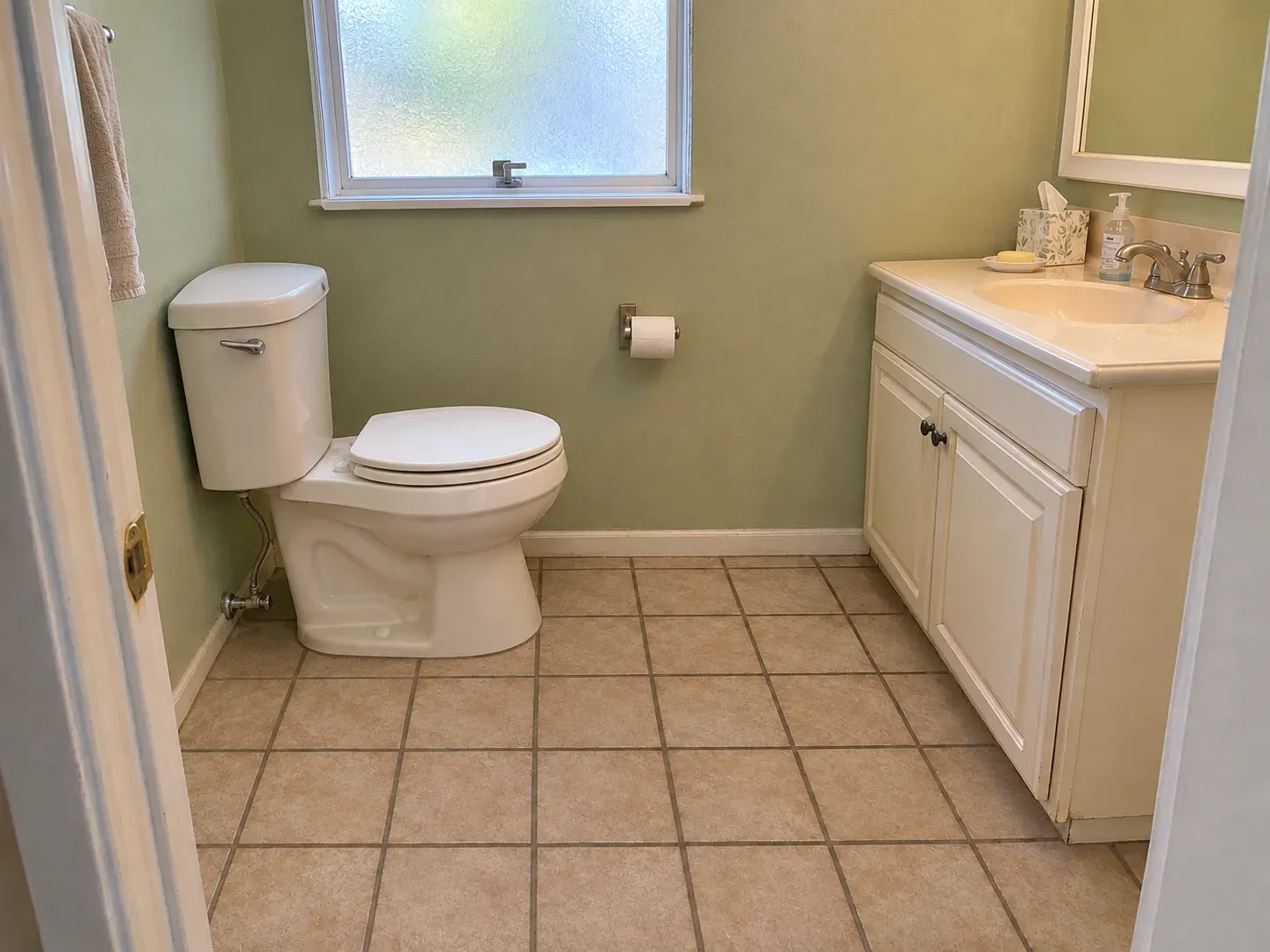
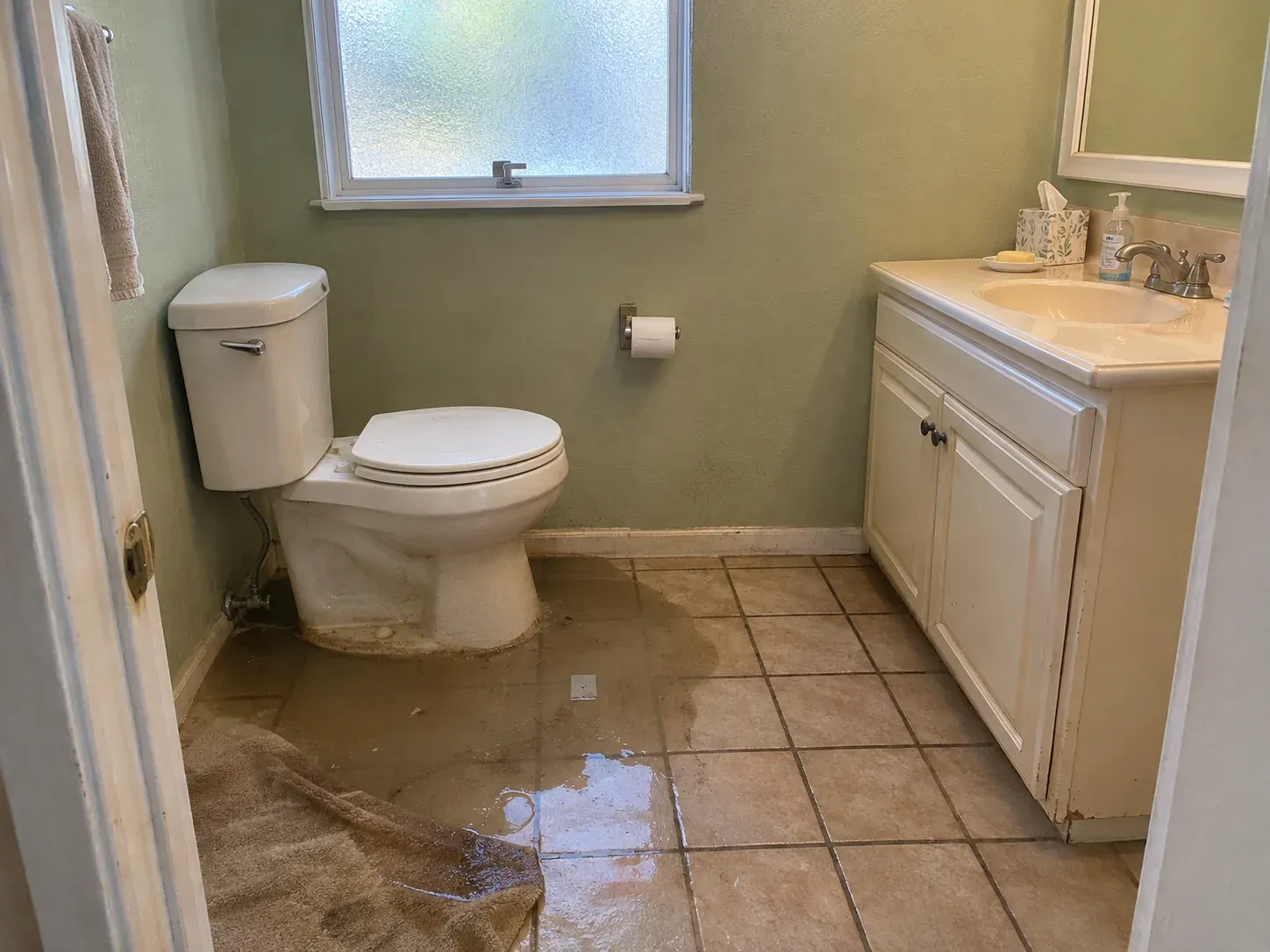
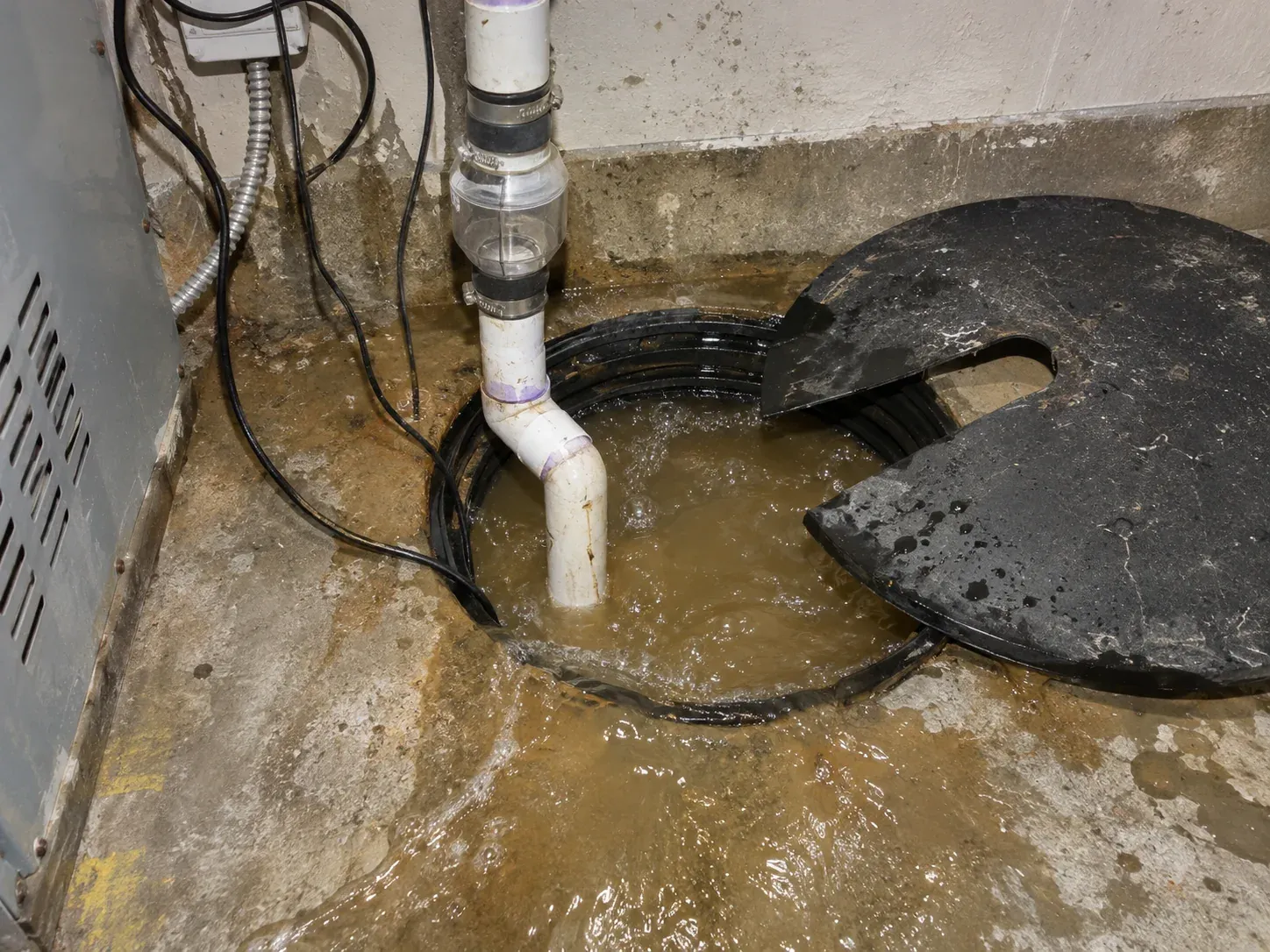
Photos and video of every affected room, the source of the water, the water line on the walls, and anything damaged. If something has to be thrown away, photograph it in place first, and keep a list. Adjusters cannot pay for what they cannot see.
4. The adjuster visit
The adjuster inspects, measures, and builds or reviews a scope of work. What helps on that visit: the moisture readings, the category of water, the drying plan, and photos with dates. What hurts: a scope written as a lump sum with no quantities.
5. The estimate and the negotiation
You get an estimate of what the insurer will pay. It is a first offer in the sense that it is a calculation, and it can be corrected. If your contractor's scope is different, the two documents get compared line by line. That comparison is normal, not confrontational.
6. Payment, and the part people miss
Payments often come in more than one check: an initial payment for the emergency work, then the balance when the work is complete. Your mortgage company may be named on the check, which means it has to endorse it. Ask about that early if you have a mortgage.
03Good to know
What the adjuster will ask for
- 01
The cause, specifically
"A pipe burst" is not enough. Which pipe, where, and when it was discovered.
- 02
Dates
When the water was discovered, when it was shut off, when the drying started, how long it stayed wet.
- 03
Moisture readings
with the material and the location for each one, before and after drying.
- 04
The water category
Clean, gray or black. This decides what is dried and what is replaced.
- 05
An itemized scope
Rooms, quantities, unit prices, equipment days.
- 06
Photos
of the source, the water line, and the damage before removal.
- 07
Proof of maintenance
where the cause is arguable, such as a water heater that was never flushed or a hose that was visibly failing.
None of that is adversarial. It is the file. A claim with a clean file moves. A claim with a lump sum and no readings gets questions, and questions take weeks.
04Insurance
Where claims go wrong
Cleaning before documenting
One of the most common and most expensive mistakes. Once the water is gone and the carpet is out, the extent of the damage is a story rather than evidence.
Waiting
A leak discovered in March and reported in June reads as long-term seepage to an adjuster, whether or not anyone knew. Report it when you find it.
Mixing mitigation and reconstruction in one number
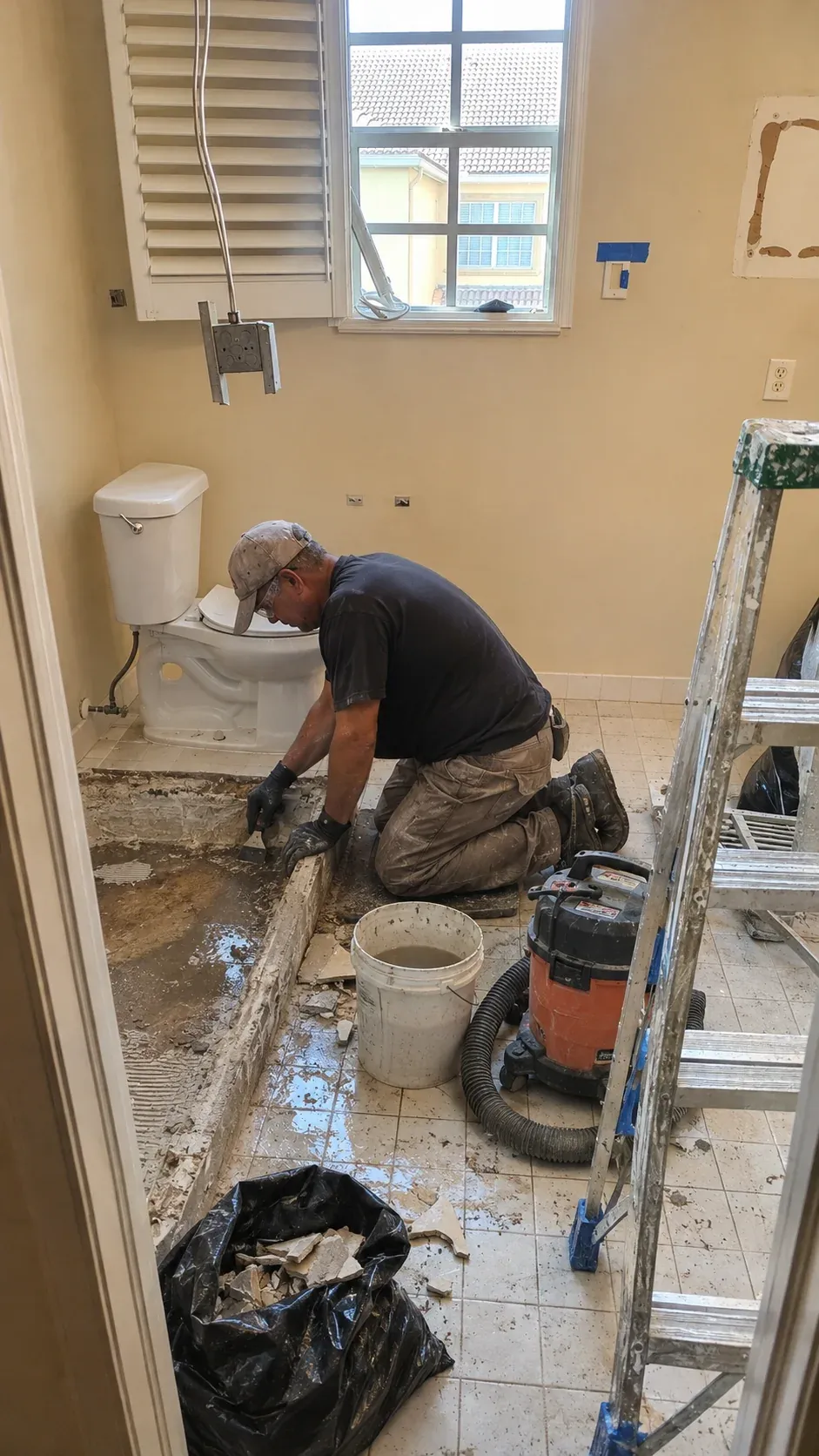
Emergency drying and rebuilding a wall are usually different line items, sometimes different companies, and often different questions from the insurer. Keep them separate on paper.
Letting one company control every part of the file
It is convenient and it is also how a scope nobody checked becomes the only scope. You are allowed to have your own estimate next to the insurer's, and comparing the two is normal.
Assuming the mold is covered
Mold coverage is often one of the most limited parts of a homeowners policy, and it varies by policy. If mold is a possibility, ask the specific question about the mold limit before the work starts, not after.
056 steps
Questions to ask your insurer, in this order
Is this loss covered under my policy, and what is the deductible?
Is there a separate limit for mold, and what is it?
Do you want an adjuster on site before any material is removed?
Who pays the emergency extraction, me or you, and how do I get reimbursed?
Is the payment going to be one check or two, and is my mortgage company on it?
If my contractor's scope is higher than yours, what is the process to reconcile it?
Write the answers down with the date and the name of the person who gave them.
06Insurance
If you are not filing a claim
That is a legitimate choice, especially when the damage is under the deductible. In that case the same documentation discipline still applies, for a different reason: you will want to show what was done if you sell the house, and a future owner will ask about a stain or a repaired wall.
074 questions
Questions people ask about a water damage claim
Still have a question?
Send the form and describe what you see. Someone from our team will call you back soon.
Get a call back01Does homeowners insurance cover water damage?
It depends on your policy and the cause of the loss. Your insurer can tell you what yours covers, and the Arizona Department of Insurance and Financial Institutions publishes consumer guides on homeowners insurance.
02What does the adjuster need from me?
The specific cause, dates, moisture readings with locations, the water category, an itemized scope and photos taken before cleanup.
03What is the biggest claim mistake?
Cleaning up before documenting. Photos and readings taken before removal are the evidence the claim is built on.
04Is mold covered?
Mold coverage is often limited and varies by policy. Ask your insurer for the specific mold limit.