Published ranges · named sources
Water Damage Restoration Cost in Tempe, AZ
What water damage restoration costs in Tempe: the published national data, where a Tempe job lands in the range, and how to read an estimate before you sign it.
- 01FixrFull water damage restoration, typical home$1,200to$5,000
- 02FixrCategory 1 water extraction$3.75to$4.25per sq ft
- 03FixrCategory 2 water extraction$4.10to$6.50per sq ft
- 04FixrCategory 3 water extraction$7to$7.50per sq ft
01Good to know
The short version
Fixr puts a typical water damage restoration job in the United States at $1,200 to $5,000, with a national average of $3,000. The range is wide for a reason: it covers a soaked bathroom cabinet and a flooded first floor.
Per square foot, the rate is set by the category of water. Fixr puts extraction of clean water at $3.75 to $4.25 per square foot, gray water at $4.10 to $6.50, and black water at $7 to $7.50. That single variable can matter as much as the size of the room, because it decides what can be dried and what has to be thrown away.
None of these numbers is a quote for your house. They are what published national data says, and a firm price comes after someone has seen the damage.
02Sources
Published ranges and their sources
Every figure below comes from published national cost data, with the source named.
| Job | Published range | Source |
|---|---|---|
| Full water damage restoration, typical home | $1,200 to $5,000 | Fixr |
| National average, water damage restoration | $3,000 | Fixr |
| Category 1 water extraction, per sq ft | $3.75 to $4.25 | Fixr |
| Category 2 water extraction, per sq ft | $4.10 to $6.50 | Fixr |
| Category 3 water extraction, per sq ft | $7 to $7.50 | Fixr |
| Slab leak repair | $1,000 to $4,000 | Fixr |
| Leak detection | $100 to $400 | Fixr |
| Mold remediation, typical | $1,500 to $9,000 | Fixr, 2025 |
| Mold remediation, per sq ft | $10 to $30 | Fixr, 2025 |
National figures, not Tempe-specific. Labor and materials in Maricopa County can sit above or below a national average.
03Costs
The five things that move a Tempe price
1. The category of the water
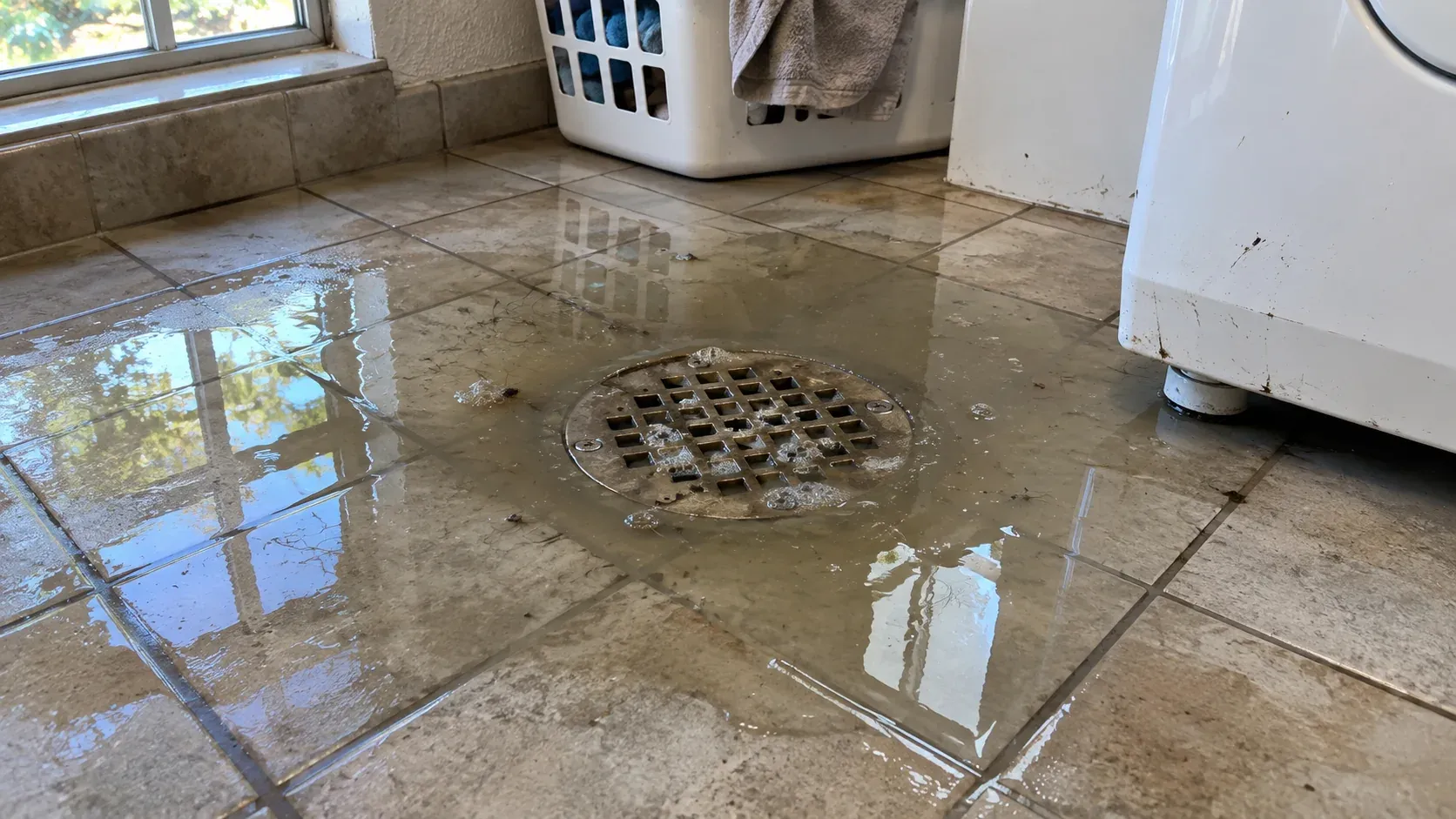
Clean water from a supply line is the cheapest job. Water that touched a toilet bowl, a washing machine discharge or a dishwasher is gray and everything porous it touched becomes waste. Storm water that came in from outside is treated as the worst category, because it ran over soil, oil and whatever else was on the ground. It is the same wet floor and a different job.
2. How long it has been wet
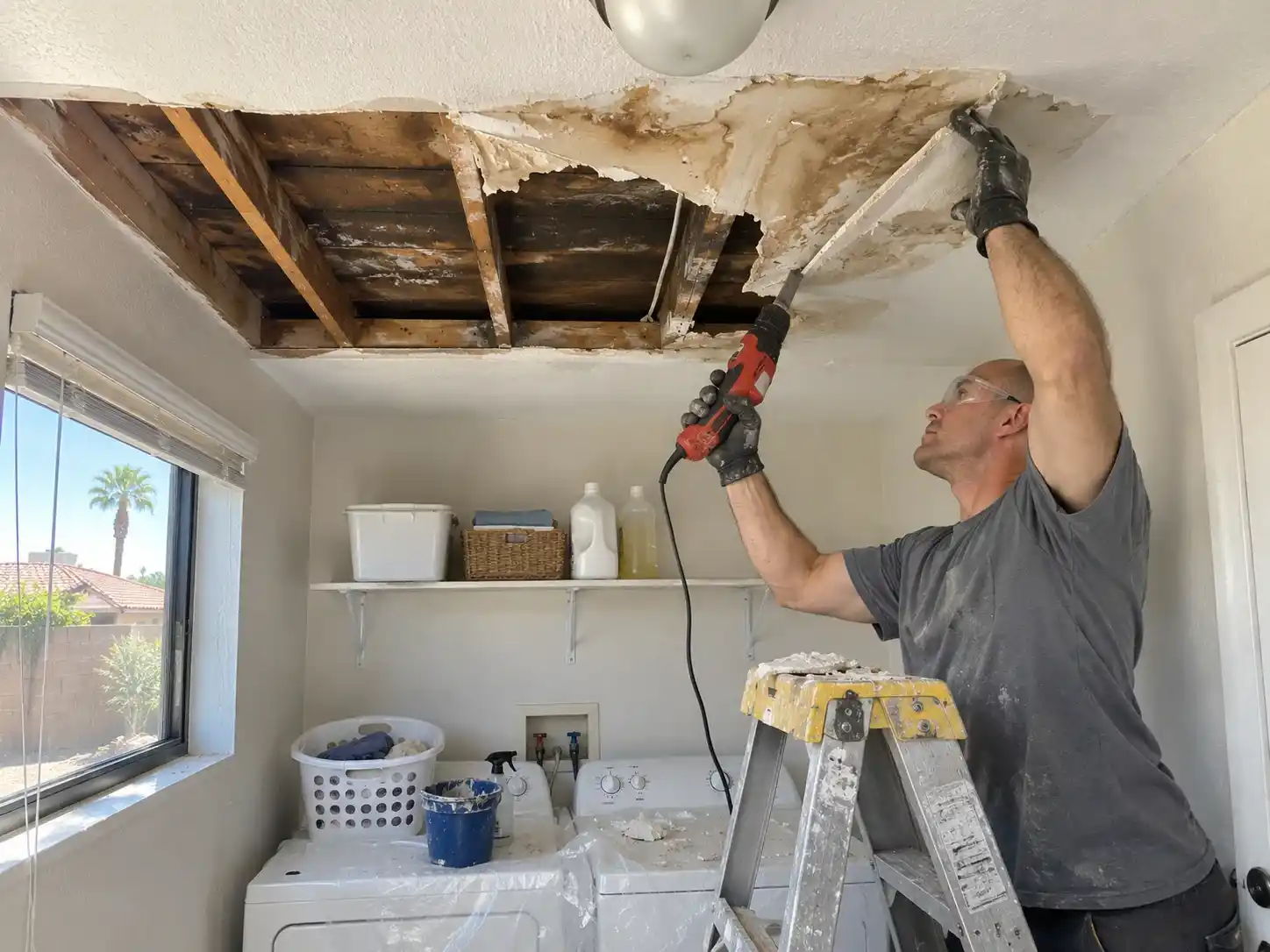
Hours versus days changes the scope. Past about 48 hours, drywall and framing are treated as a mold risk, which adds containment, removal and a clearance check. That is a different work order, not a bigger one.
3. What the water went under
Carpet and pad come up and get replaced. Tile over slab holds water at the grout line and dries slowly. Hardwood cups unless it is dried with mats. A cabinet toe kick hides water against the wall for weeks. The material list decides the labor.
4. Access
A leak under a finished floor, behind a full-height cabinet, or in a wall with the water heater in front of it costs more to reach. National slab leak cost data says the same thing: access is a major cost driver.
5. What has to be rebuilt afterwards
Drying and extraction are one invoice. Drywall, paint, baseboard, flooring and cabinets are another, and they are often the bigger number. Ask which parts of the estimate are mitigation and which are reconstruction, because they are often quoted by different companies.
04Good to know
How to read an estimate
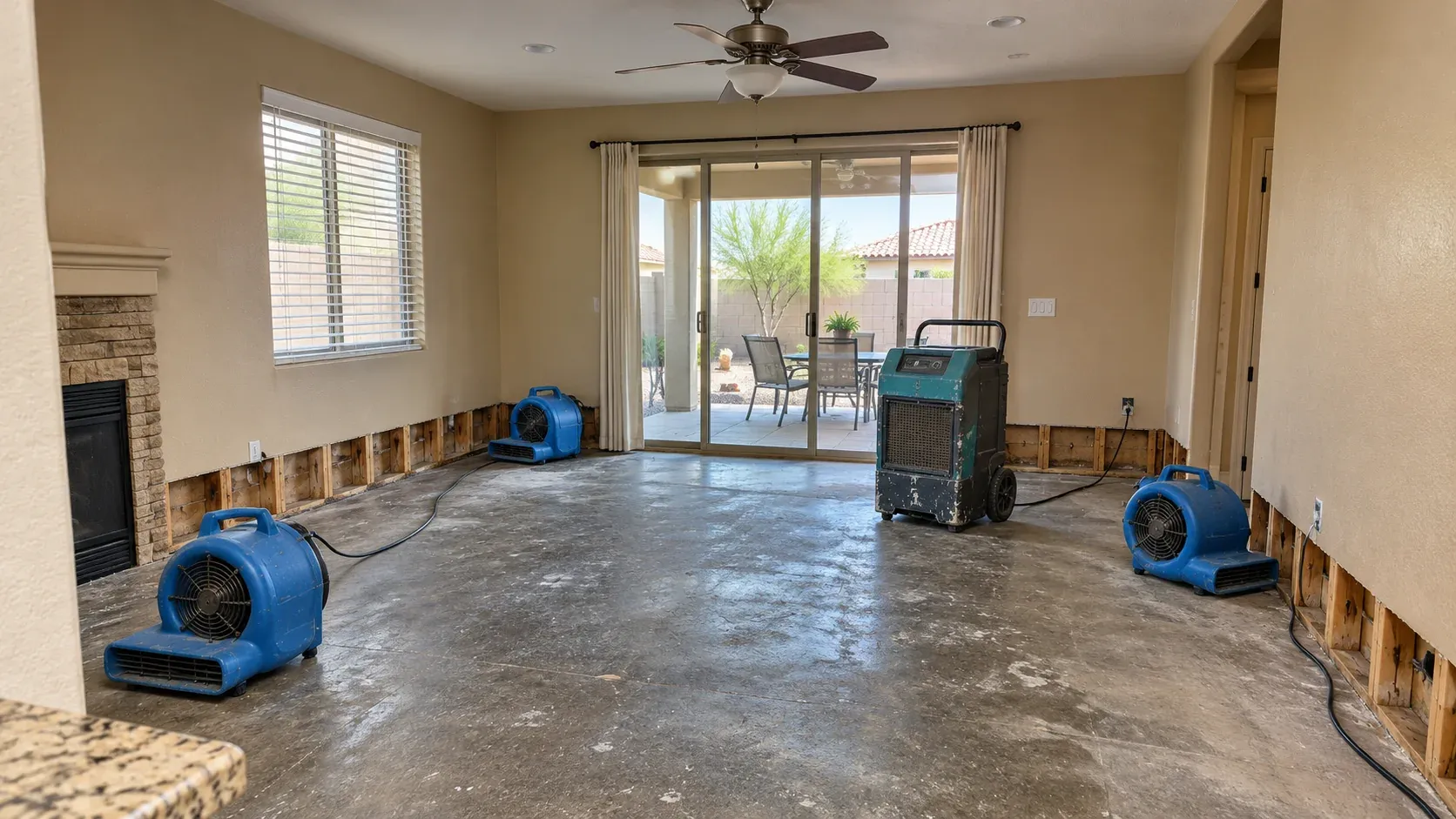
A water damage estimate should have rooms, materials, quantities and unit prices, not one lump sum. It should state the category of water it is priced for. It should list equipment by type and by day, because a dehumidifier billed for four days is a different number from one billed for two.
It should also say clearly what is excluded: reconstruction, plumbing repair, mold work, contents, permits. Exclusions are where a cheap estimate becomes an expensive job.
Three questions worth asking before signing:
- Is this a fixed scope or time and materials, and what happens if the readings say the job is bigger?
- Who is doing the mold work if it turns out to be needed, and is it priced now or later?
- What does the drying log look like, and do I get a copy at the end?
If the answer to the third one is a blank look, the drying is not being measured.
05Insurance
Does insurance change the number
No, and that is worth understanding before you call anyone. The wet material and the work it needs are the same whether you pay or your insurer does. What changes is who reviews it and what they ask for: photos, moisture readings, a category, and an itemized scope.
Whether any of it is covered is a question about your policy. The insurance page walks through the claim process, including what an adjuster will ask for.
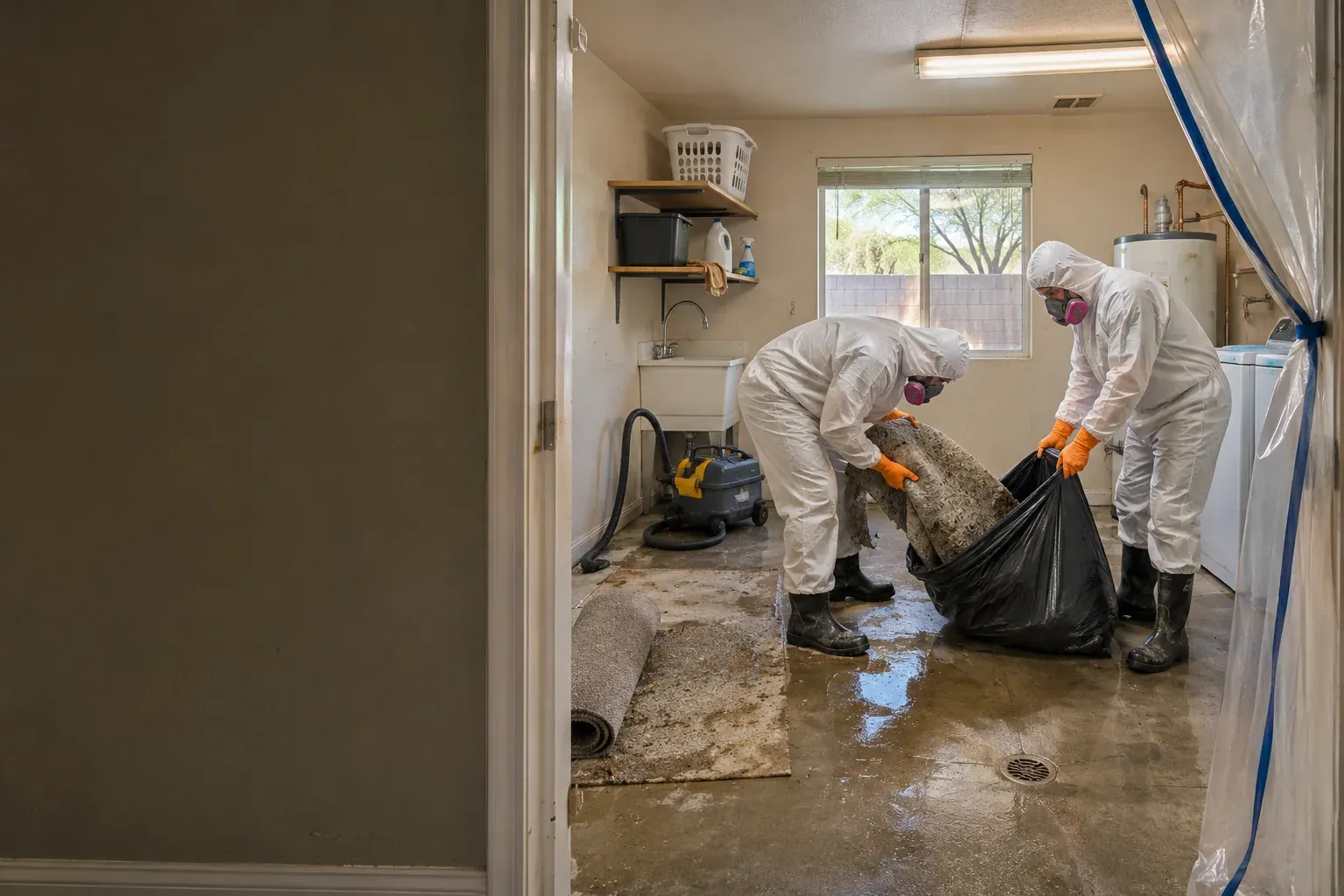
06Good to know
Ways to keep the bill down
- Shut the water off before anything else. Every minute of running water is money.
- Call while it is still standing water, not after a week of it sitting in the carpet.
- Lift furniture and boxes off the floor before work starts. Items that can be saved in place do not need a pack out.
- Photograph everything. An adjuster who can see the water line has less to question.
- Do not run a household fan on a wet wall. It can spread spores and turn a drying job into a remediation job.
074 questions
Questions people ask about water damage restoration cost
Still have a question?
Send the form and describe what you see. Someone from our team will call you back soon.
Get a call back01What is the average water damage restoration cost?
Fixr puts the national average at $3,000, with a typical job between $1,200 and $5,000.
02Is water damage restoration covered by insurance?
That depends on your policy and the cause. The insurance page explains the claim process and what adjusters ask for.
03Why is black water so much more expensive?
Fixr puts black water extraction at $7 to $7.50 per square foot against $3.75 to $4.25 for clean water, because porous material that touched it cannot be dried and reused.
04Is a cheap estimate a bad sign?
Not automatically, but a lump sum with no room list, no category and no equipment days is impossible to compare against anything.